 Spain
Spain
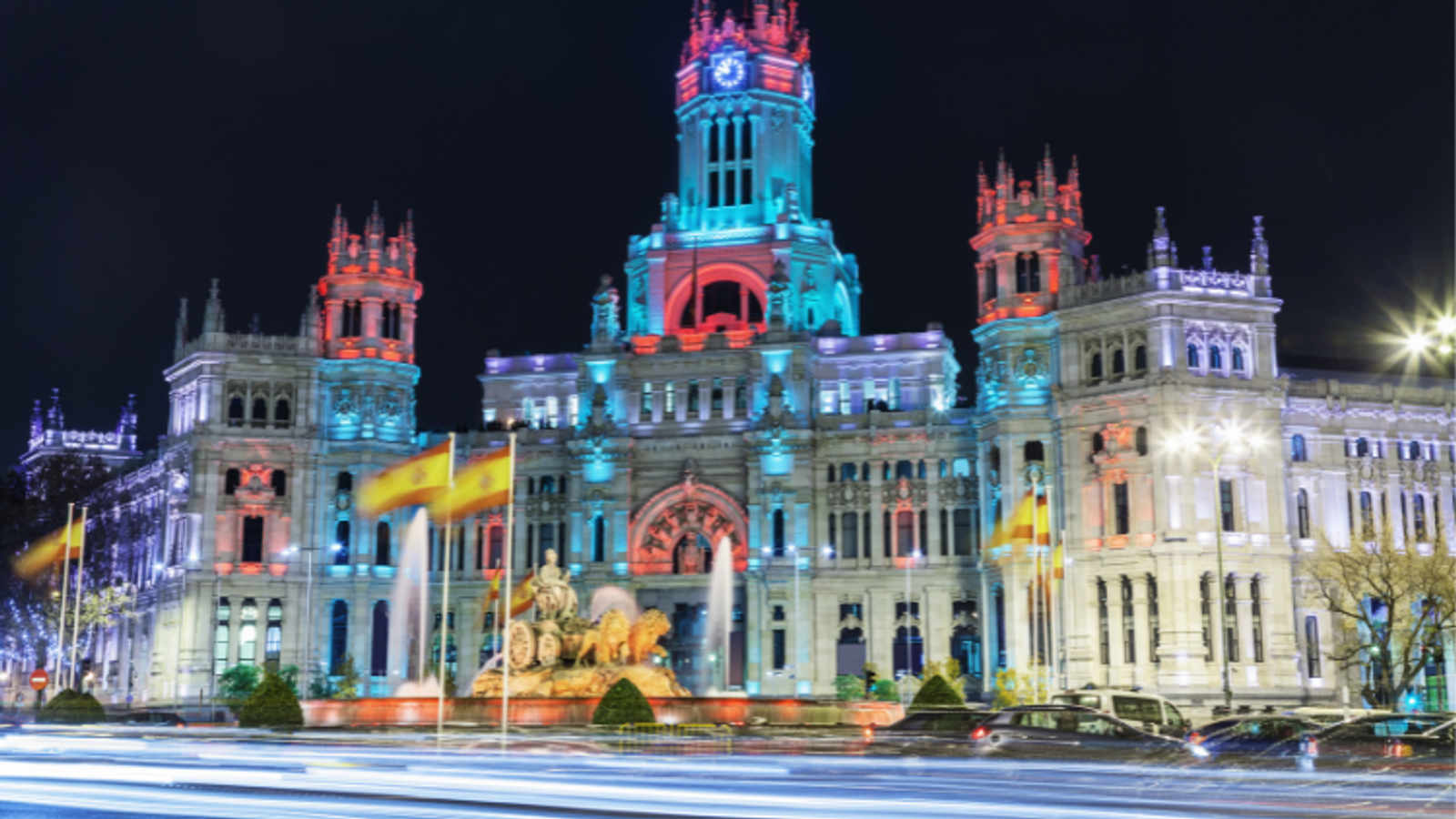
The celebrations started in full swing! Spaniards take Christmas in Spain very seriously, and you’re about to find out why. From the most stunning Christmas decor in the streets to delicious dinner celebrations, there’s a lot to explore and enjoy.
If you’re an expat curious about how the holidays are celebrated in Spain, keep reading to discover the country’s festive traditions, rich culture, and joyful celebrations!
December 24th: The Christmas Eve – Nochebuena
Christmas Eve, known as Nochebuena, is one of Spain’s most important nights of the holiday season. Nochebuena translates to “good night” in Spanish. And it is definitely one of the most important cultural festivities of the year.
Families gather for an elaborate dinner to celebrate together. The evening is all about surrounding yourself with love and joy and reflecting on how the year went.
Family gatherings in Spain are never complete without a grand spread of delicious home-cooked dishes. The feast often features roasted lamb or pork, seafood platters, and hearty soups that warm the soul. To finish on a sweet note, classic desserts like turrón and polvorones make the celebration truly unforgettable.
It’s common for families to sing the traditional Christmas carols, known as villancicos. You can often hear other families singing the same songs from houses nearby.
Traditional Christmas Treats
What is a Christmas celebration without those delicious traditional treats?
You’ll find these Spanish treats almost everywhere during the festive season!
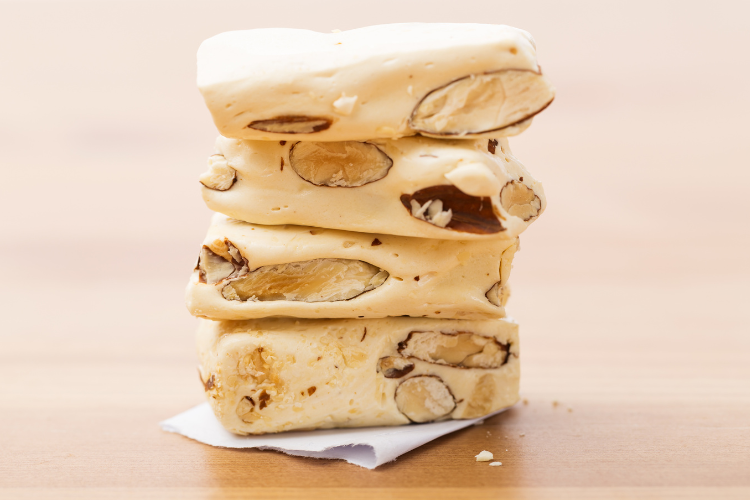
Turrón
One of Spain’s most beloved Christmas treats, turrón is a type of nougat made from almonds, honey, sugar, and egg whites. It comes in two main varieties: turrón de Alicante (hard and crunchy) and turrón de Jijona (soft and chewy).
Turrón de Alicante is packed with whole almonds, giving that crunch with every bite. And Turrón de Jijona
Today, modern variations of turrón feature flavors like chocolate, fruit, and even truffle infusions. Often beautifully packaged, these delightful treats have also become a popular gift during the festive season.
Polvorones and Mantecados
Another nostalgic treat, polvorones, and mantecados, add more sweetness to the celebrations. They are traditional Spanish shortbread cookies made from a simple base of flour, sugar, and lard.
Polvorones are soft, crumbly cookies with a delicate, powdery texture. Lightly dusted with powdered sugar and often made with ground almonds, they offer a sweet and melt-in-your-mouth finish.
Mantecados has the word “manteca” in it, which means “lard”. It is a key ingredient to make them. They are firmer than polvorones and often flavored with cinnamon, anise, or lemon zest, which adds more flavor to the popular treat.
Traditionally handcrafted in Estepa, Andalusia, these treats are wrapped in colorful paper, adding to their charm. Sharing these treats with friends and family is a ritual you can not go without.
Seafood Feasts
For those who aren’t big on desserts, seafood platters offer the perfect way to savor festive flavors. In fact, seafood takes center stage in Spanish Christmas celebrations, especially during Nochebuena.
Historically, Christmas was a time to indulge in luxurious foods, and seafood became a symbol of abundance and festivity.
Lobster, prawns, clams, and crab often serve as luxurious starters or main courses. In coastal regions, fresh fish and shellfish are prepared in a variety of ways.
In many Spanish households, cooking together is a cherished tradition and an essential part of the holiday spirit. The dishes can range from simple grilled prawns to rich, flavorful stews infused with regional touches.
Cava
No Spanish celebration is complete without a glass of Cava, Spain’s sparkling wine. Similar to Champagne but uniquely Spanish, Cava is produced primarily in Catalonia and perfectly complements holiday toasts and desserts.
Many families enjoy opening a bottle of Cava at midnight to ring in the New Year as part of the tradition of eating twelve grapes, one for each stroke of the clock.
Cava is more than just wine; it’s part of the Spanish holiday spirit. Keep reading to learn more about Christmas in Spain!
December 25th At Midnight: La Misa del Gallo
On the night of December 24th, as Christmas Eve transitions into Christmas Day, many Spaniards participate in La Misa del Gallo (The Rooster’s Mass), a midnight Mass held to celebrate the birth of Jesus.
This tradition holds deep significance during Christmas, especially in Catholic communities across Spain. After enjoying a lavish Christmas Eve dinner, families often attend the service together, dressed in their festive best.
Candles, lights, and nativity displays decorate churches, creating a cozy and revered ambiance. The Mass is a time of reflection and prayer, connecting to the religious significance of Christmas.
After the Mass, it’s common to head home for more celebrations and to indulge in some more Turrón and Cava.
Christmas Lunch
After the festive chaos of Nochebuena, where late-night celebrations fill the air with excitement, Christmas Day offers a chance to unwind.
Christmas lunch is a calmer; more relaxed affair compared to the lively celebrations of the night before. Families gather for a long, leisurely meal, often using leftovers from the Nochebuena feast in creative ways, accompanied by freshly baked bread and crisp salads.
A typical lunch includes roasted meats seasoned with garlic, herbs, and olive oil, bowls of stews or soup, and hearty casseroles. Cocido (a flavorful meat and vegetable stew) or lentejas (lentils) are common dishes on the dining table.
As with all Spanish celebrations, desserts steal the show after the main meal. Turrón, polvorones and mantecados, and roscón de reyes are staples after a delicious lunch.
Roscón de reyesa is a round cake with candied fruits and sometimes filled with whipped cream or chocolate. Christmas in Spain is all about celebrating family, food, and joy!
Christmas Markets
There’s absolutely nothing that sparks as much excitement as a well-decorated Christmas market!
These markets pop up in cities across the country, transforming public spaces into winter wonderlands. You’ll find everything from festive treats and food to games and handcrafted ornaments.
One of Spain’s most renowned Christmas markets is the Mercado de Navidad in Madrid, held at the iconic Plaza Mayor. Dating back to the 19th century, it’s one of the country’s oldest markets, brimming with stalls selling traditional crafts, ornaments, and festive treats.
Another popular Christmas market is in Barcelona at Fira de Santa Llúcia, held near the Barcelona Cathedral. This market is known for its beautiful selection of Caga Tió figurines (the famous Catalan Christmas log), belénes, and Christmas trees.
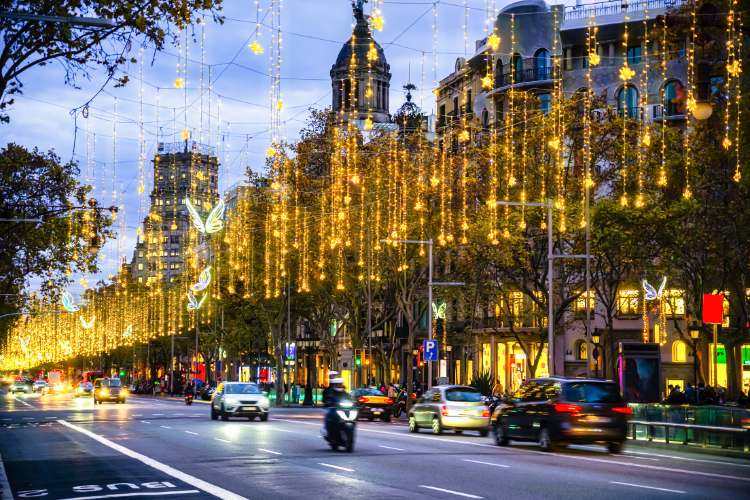
There’s another one in Seville, a relatively less popular destination in Spain, the Navidad en la Feria market. And another one in Vigo, a coastal city in Galicia in northwest Spain. It’s renowned for its vibrant setup, with lights and decor all around.
Its cozy and welcoming atmosphere truly captures the spirit of the holiday season. Beyond the stalls and delicious food, the market features lively performances and fun rides for children to enjoy throughout the evening.
Christmas markets in Spain are all about creating memories, taking photos, sharing laughter, and enjoying the magic with your loved ones.
Interested in spending your summer in Spain? Next read: Summer In Spain: Weather, Festivals, and What To Expect
Celebrate Spain’s Quirky December 28th Tradition
Just when you think the festivities are over, Spain surprises you with its own version of April Fools’ Day El Día de los Santos Inocentes, celebrated on December 28th. It’s a day full of jokes, pranks, and playful mischief, so don’t believe everything you hear (or see on TV).
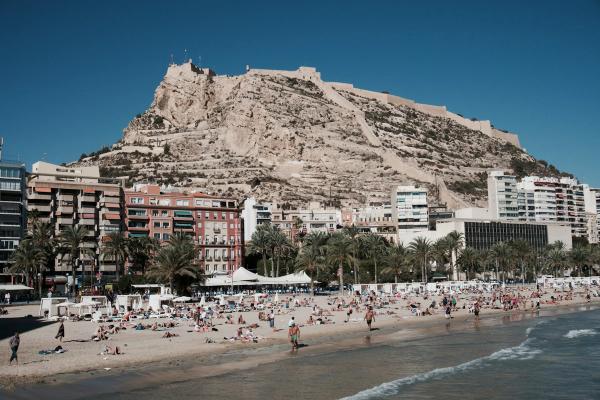
If you want to experience something truly unique, head to Ibi, Alicante, where locals celebrate El Enfarinats, a hilarious mock battle involving eggs, flour, and pretend “laws” enforced by people in military gear.
Anyone who breaks the rules pays a “fine,” which goes to charity. It’s messy, wild, and one of Spain’s most unforgettable holiday traditions.
What Do Expats Like To Do During Christmas In Spain?
Expats living in Spain can feel complex emotions during this time of the year. It can be overwhelming and sad to celebrate Christmas away from “home”,
If you decide to go back home to your family to celebrate the holidays like you used to, that’s also okay. If you’re going to be in Spain for your first Christmas, here are a few things you could do to bring that warmth to your soul.
The first and simplest way to embrace the festive spirit is by visiting a Christmas market. Few things spark more joy than being surrounded by the lively buzz of holiday energy, the cheerful jingles, delicious food, and beautifully lit streets and buildings create a truly magical atmosphere.
On Christmas Eve, expats can attend the La Misa del Gallo at any nearby church and learn more about Spanish culture. Before the 24th, buy some local desserts and add them to your usual Christmas Eve dinner spread.
It’s easier to find multicultural expat communities in larger cities like Madrid and Barcelona, but with a little research, you can make friends almost anywhere in Spain. Many expats host gatherings that blend Spanish and international traditions, sharing favorite dishes and customs from their home countries.
Christmas in Spain for new expats is also an incredible opportunity to travel and explore other regions. There’s so much to do, from visiting festive markets to creating your own holiday traditions with your loved ones.
Are you ready for Christmas in Spain?
If these insights haven’t gotten you excited about celebrating Christmas in Spain, perhaps visiting a festive market will!
In case you’re someone who hasn’t made the move but is eagerly planning to do so in 2025, book a free consultation and get in touch with our experts. Learn more about the visa process, the expat community in Spain, and how to make the move as seamless as possible.
To build your own expat community, join our Facebook Group – All About Spain For Expats and All About Portugal For Expats. See you soon!