 Spain
Spain

Living in Valencia, Spain means a Mediterranean city of roughly 800,000 people where a single person can live well on about €1,645 to €1,975 a month including rent, a one-bedroom in the centre averages €1,250, the beach is inside the city and you get around 300 days of sun a year. It is Spain's third-largest city and the capital of the Comunitat Valenciana, and it has become a magnet for remote workers, retirees and families who want Barcelona's weather and coastline without Barcelona's prices. The trade-offs are a thin local job market, slow paperwork and a language barrier outside the centre.
So, what’s it really like living in Valencia? Is it the right move for you? Let’s dive into the pros and cons, the expat community, and why so many people are choosing to call this beautiful city home.
Happy reading!
What living in Valencia is really like
With around 800,000 residents in the city itself and about 1.5 million across the greater metro area (Ajuntament de València), Valencia has all the amenities of a big city without the scale that makes Madrid or Barcelona feel overwhelming. It is big enough to have everything and small enough to cross by bike.
Valencia is also famous for its 300+ days of sunshine per year. Winters are mild, and summers are long, which supports a year-round outdoor lifestyle. Expect long lunches, late dinners, and a general fondness for enjoying life beyond work. If you’ve researched well, you’ll know that this is the heart of Spanish culture, after all.
The city is particularly popular among the digital nomad community and expats who aren’t looking to live in bigger cities like Madrid and Barcelona. That’s because life in Valencia feels like a continuous invitation to slow down and enjoy the moment.
Who lives in Valencia
Valencia is home to a diverse population. Traditionally, the city has been a mix of locals from the Valencian region and people from other parts of Spain. However, the expat community has grown rapidly over the past few years.
According to Spain's National Institute of Statistics (INE), more than 150,000 foreign residents live in the Valencia province, and the number has climbed steadily since the pandemic as remote work made the city reachable for people who used to be tied to an office elsewhere.
Some of the largest expat groups in Valencia belong to the following countries:
- United States
- United Kingdom
- Germany
- France
- Italy
- Netherlands
- Ireland
English-speaking expats often live in areas like El Carmen, Russafa, Pla del Remei, and Benimaclet, where international schools, coworking spaces, and language exchange groups create easy community-building opportunities.
Why expats are moving to Valencia
After the pandemic accelerated remote work, many people realized they didn’t have to stay in expensive, crowded cities. For those working remotely on international salaries, Valencia’s affordability is a major draw.
A 2023 study by InterNations ranked Valencia as one of the top 5 cities worldwide for expats, with high scores in quality of life, cost of living, and ease of settling in.
Some of the most common reasons expats are moving to Valencia include:
- Lower housing costs compared to Barcelona or Madrid;
- Access to both urban and beach lifestyles;
- A slower pace of life focused on health and leisure;
- Family-friendly environment with international schools;
- Valencia consistently ranks as one of Spain’s safest large cities.
Let’s dive into the details!

Pros Of Living In Valencia
There is absolutely no city in the world that will have everything you’re looking for. But what you can find is a city that has most of what you need.
For many expats, choosing Valencia as their go-to city is an easy decision. Follow along to know why!
Expat-Friendly Community
Over the past decade, the expat population has grown steadily, creating a thriving community of people from all over the world. This means it’s never been easier to find your crowd, whether you’re new to the city or have been here for years.
This strong sense of community helps make settling into Valencia much smoother. It offers not just practical support but also a social safety net, which is especially important for newcomers adjusting to life in a foreign country.
Around 15% of Valencia’s population are foreign nationals. Since the metropolitan area has about 1.6 million people, there are roughly 240,000 foreigners living in the region. Among the pros and cons of living in Valencia, this might be the biggest pro for expats who like having people around them.
Not all of them are long-term expats. Some are students, temporary workers, or seasonal residents, but there’s a very active international community.
Valencia is home to a wide range of networking groups, social clubs, and community organizations that cater to internationals.
Once you interact with more people, you’ll get a chance to explore more regular meetups, including dinners, language exchanges, professional networking events, and family-friendly activities.
Affordable Cost of Living
One of the major attractions of living in Valencia is its affordability, particularly when compared to Spain’s larger cities like Madrid and Barcelona.
Rent prices are significantly lower, dining out won’t break the bank, and everyday essentials remain reasonably priced. This makes Valencia especially attractive for digital nomads, retirees, and remote workers earning foreign salaries.
The gap with Spain's two big cities is real. In 2026 a one-bedroom in central Valencia averages €1,250 a month, against €1,395 in Madrid and €1,460 in Barcelona. Move outside the centre and Valencia drops to about €920, compared with €1,071 in Madrid. Buying tells the same story: roughly €4,924 per m² in central Valencia versus €7,983 in Madrid.
Everyday costs follow suit. Numbeo puts a single person's monthly living costs excluding rent at €725 in Valencia, against €817 in Madrid and €811 in Barcelona. It is not a dramatic difference on groceries or a coffee, but on rent, which is the biggest line in anyone's budget, it adds up quickly.
Here’s a table showing some basic expenses:
| Expense | Cost in Valencia (2026) |
|---|---|
| Rent: 1-bedroom in the city centre | €1,250 / month |
| Rent: 1-bedroom outside the centre | €920 / month |
| Rent: 3-bedroom in the city centre | €1,998 / month |
| Rent: 3-bedroom outside the centre | €1,400 / month |
| Utilities (electricity, heating, water, rubbish, 85m²) | €138 / month |
| Internet (broadband) | €31 / month |
| Public transport pass | €35 / month |
| Meal at an inexpensive restaurant | €15 |
| Three-course dinner for two, mid-range | €60 |
| Average net salary (after tax) | €1,722 / month |
Figures are from Numbeo (July 2026).
How much do you need per month in Valencia? Sample budgets
A price list only gets you so far. These are realistic all-in monthly budgets for 2026, built from the figures above.
| Household | Typical rent | Everything else | Total per month |
|---|---|---|---|
| Single person (1-bed, outside the centre) | €920 | €725 | €1,645 |
| Single person (1-bed, city centre) | €1,250 | €725 | €1,975 |
| Couple (1-bed, city centre) | €1,250 | ~€1,270 | ~€2,520 |
| Family of four (3-bed, outside the centre) | €1,400 | €2,613 | €4,013 |
Rent and the non-rent living costs for a single person (€725) and a family of four (€2,613) are Numbeo's July 2026 figures for Valencia. Numbeo doesn't publish a couple figure, so we've assumed two adults at roughly 1.75 times one person's non-rent costs. For context, the same single-person budget in Madrid comes to about €1,888 outside the centre.
For anyone weighing the pros and cons of living in Valencia, affordability often tops the list of advantages.
This affordability opens up possibilities that may be out of reach in other European cities. You can live comfortably, enjoy regular nights out, travel within Spain, and even save money without feeling like you’re constantly budgeting. Families benefit from lower childcare costs, and activities like sports, fitness, and cultural outings are all within financial reach.
For many expats, Valencia feels like a breath of fresh air financially. It’s a place where you can focus less on surviving and more on thriving.
Mild Climate & Outdoor Lifestyle
The climate is a dream for those who love spending time outdoors.
With more than 300 days of sunshine each year, the city encourages an active and healthy lifestyle. And with the views that it offers, who wouldn’t want to go out?
Take a look at the average temperatures during different months of the year:
| Month | November-January | February-April | May-July | August-October |
|---|---|---|---|---|
| Temperature | 10.2 °C(50.4 °F) | 13.3 °C(55.9 °F) | 26 °C(78.8 °F) | 19.1 °C(66.4 °F) |
Data is from Climate Data.
Valencia is also built for movement. The city has more than 160 kilometres of dedicated bike lanes and over 200 kilometres of cycling infrastructure once bike-priority streets are counted (Visit València), and because the city is flat and compact, cycling is genuinely the fastest way to get around. The Turia gardens, a former riverbed turned into a nine-kilometre park, run straight through the middle of it.
Local life revolves around festivals, markets and being outdoors, from Las Fallas, recognised by UNESCO as Intangible Cultural Heritage, to ordinary Sunday paella by the sea. Valencia is where paella is actually from, and locals will tell you so.
Good Healthcare System
According to InterNations, Valencia has the best healthcare system in all of Spain.
Valencia benefits from Spain’s internationally acclaimed healthcare system, which consistently ranks among the best in the world for both quality and accessibility.
For expats who become legal residents, the public healthcare system is either completely free or very low-cost, covering doctor visits, hospital stays, surgeries, and prescriptions. This is a massive benefit for those used to high healthcare costs in countries like the U.S.
Public hospitals in Valencia are modern and well-equipped, and many doctors have experience treating international patients. For those who prefer faster appointments or English-speaking specialists, private healthcare is also an option, and it’s surprisingly affordable.
As of 2025, a comprehensive private insurance policy typically costs between €50-70 per month for an adult, offering access to some of the city’s top clinics and hospitals.
The healthcare system is a major reason why retirees and families with children feel confident relocating here. Peace of mind comes from knowing you’ll have access to high-quality care without worrying about unpredictable expenses.
Safety And Quality Of Life
Safety is one of the things expats notice first. Numbeo's crime index puts Valencia at 37.9, which it classes as low, and rates walking alone in daylight as very high safety (83.6) and at night as moderate (60.0). Those are residents' perceptions rather than police statistics, but they match what people report day to day: walking home late, letting children cycle to school and leaving a terrace table to fetch another drink are all normal here. Petty theft exists in tourist-heavy spots and on packed transport, as in any European city, but violent crime is rare.
Quality of life is really the sum of the rest of this list: sunshine most of the year, the beach inside the city, a walkable centre, short commutes, good hospitals and food that is both excellent and cheap. It is why Valencia keeps appearing near the top of global expat surveys rather than any single headline statistic.
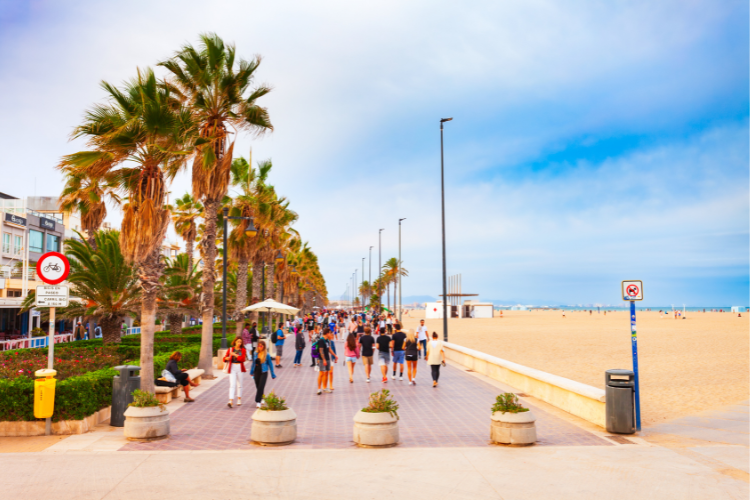
Valencia vs Madrid vs Barcelona: the cost compared
The clearest argument for Valencia, Spain is what you pay to live there. All figures are Numbeo, July 2026:
| Valencia | Madrid | Barcelona | |
|---|---|---|---|
| Rent: 1-bed, city centre | €1,250 | €1,395 | €1,460 |
| Rent: 1-bed, outside centre | €920 | €1,071 | €1,101 |
| Living costs, single (excl. rent) | €725 | €817 | €811 |
| Average net salary | €1,722 | €2,195 | €2,076 |
| Buy, city centre (per m²) | €4,924 | €7,983 | €6,609 |
The pattern is consistent: Valencia is cheaper on everything, and dramatically cheaper to buy in, but it also pays less. That is why the city suits people whose income comes from outside Spain, and why it is a harder sell if you need to find work locally.
Cons Of Living In Valencia
Just like we mentioned, there is absolutely no city in the world that will meet all your requirements. This is why making a list of the pros and cons of living in Valencia is super important before you plan a scouting trip to Spain.
Doing thorough research will help you narrow down your options to save time for what’s important.
Slow Bureaucracy
Spain, in general, is infamous for its paperwork and long administrative processes, and Valencia is no exception. Whether you’re applying for residency, registering with social security, or setting up utilities, prepare to encounter confusing procedures and long wait times.
For expats moving from countries with more digitalized, efficient systems, this can come as a culture shock.
No matter how much you fall in love with the lifestyle, one of the most frustrating parts of living in Valencia is dealing with the local bureaucracy.
It’s common to be sent home to “come back with more paperwork”. This is why many expats highly recommend hiring a consultant or an immigration lawyer to guide you through the process smoothly.
When weighing the pros and cons of living in Valencia, the beautiful weather and affordable lifestyle are often counterbalanced by the aggravation of red tape.
It’s not impossible to manage the system on your own, but it requires patience, persistence, and often some help from locals who know how to work through the steps.
- Let’s keep it real. Read: 10 Things Americans Moving to Spain Need to Know.
Job Market Challenges
You probably saw this one coming because we spoke about the digital nomad community being super active in Valencia.
So, yes, unfortunately, there aren’t a lot of job openings in Valencia, especially for expats. Some Spaniards also say it’s hard to find a job as a Spaniard, let alone as an expat.
Additionally, unlike larger Spanish cities like Madrid or Barcelona, where international companies and industries are more prevalent, Valencia has a more regional economy with fewer opportunities for non-Spanish speakers.
Salaries are the other side of that coin. The average net salary in Valencia is about €1,722 a month (Numbeo, July 2026), noticeably below Madrid's €2,195. If you earn locally, Valencia's lower costs are partly cancelled out by lower pay, which is exactly why the city suits remote workers, retirees and business owners earning from elsewhere.
This is why many expats either arrive with remote work already secured, are retirees with steady pensions, or generate side income through freelancing.
When people talk about the pros and cons of living in Valencia, the job market is a frequent con. If your dream is to live in Valencia and you rely on employment income, it’s critical to secure remote work or thoroughly research job opportunities in advance.
Limited English Proficiency
To be fair, we wish we didn’t consider this one as a con, because countries are meant to have their own national languages.
But the reality for many expats in Valencia is that language can be a real challenge. Although Valencia is a modern, international city, English is not widely spoken outside of the expat community.
So, what language is spoken in Valencia? The primary language is Spanish (Castellano), which is used in most settings, from government offices to hospitals. However, Valencia also has its co-official language called Valencian, which is a regional variety of Catalan.
When considering the pros and cons of living in Valencia, the language barrier often appears on the cons list, especially for those from countries where English is more universally understood.
But on the flip side, tackling this challenge can become a rewarding part of your expat journey. Learning Spanish, and maybe even a few Valencian phrases, doesn’t just make your life easier; it opens doors to meaningful connections.
We recommend that every expat learn the basic local language before they relocate or even in the first few months of their relocation.
Best areas to live in Valencia
Valencia is small enough that no neighbourhood is truly far from anything, but each has a distinct character. These are the areas expats gravitate to first:
| Area | Best for | Vibe | Price |
|---|---|---|---|
| Ruzafa (Russafa) | Young professionals, digital nomads | Hip, walkable, busy nightlife | High |
| El Carmen | Living inside the postcard | Medieval old town, touristy | Mid-high |
| Eixample / Pla del Remei | Families, professionals | Elegant, calm, upmarket | Highest |
| Benimaclet | Community and value | Village feel, students, plazas | Mid |
| El Cabanyal / La Patacona | Beach life | Historic fishermen's quarter, regenerating | Mid |
| Campanar / Benicalap | Space and parking | Residential, modern, practical | Lower |
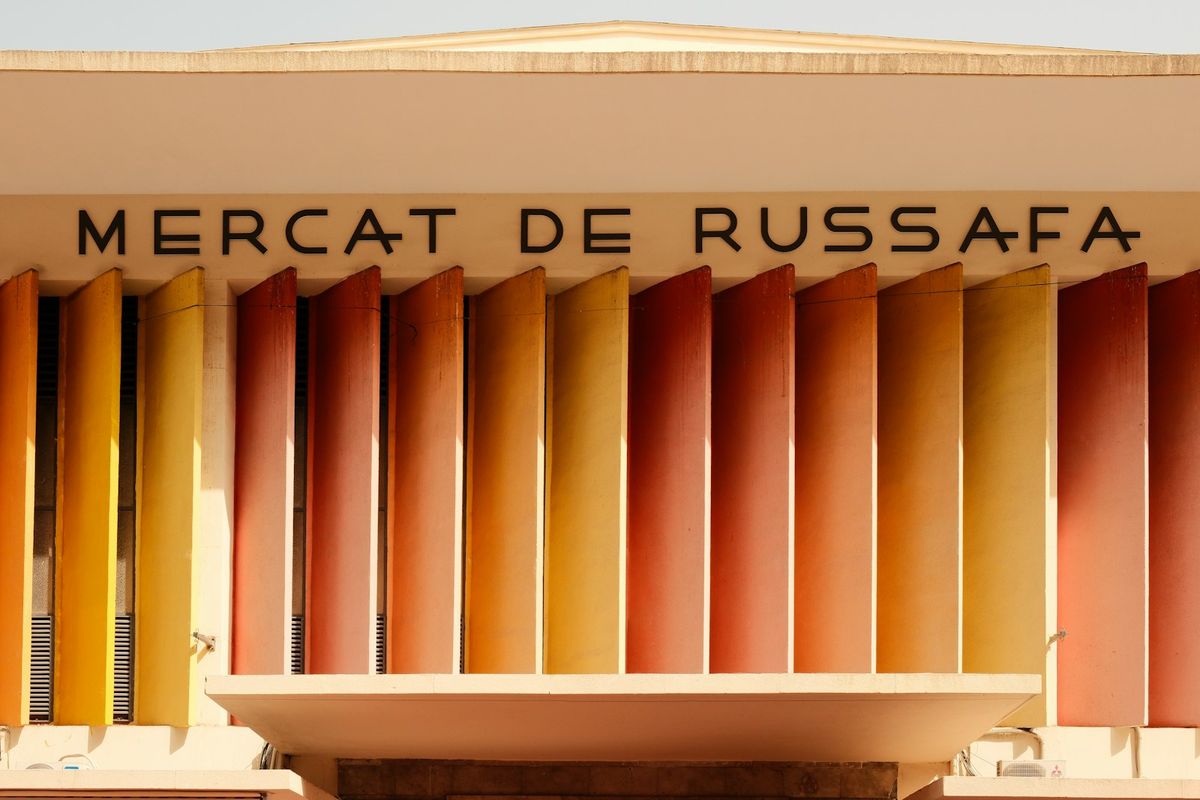
Ruzafa (Russafa)
The city's hip, walkable heart: independent cafés, natural wine bars, galleries and a genuinely international crowd. It's the default recommendation for young professionals and digital nomads, and prices have risen accordingly. Central, lively and not the quietest place to sleep.
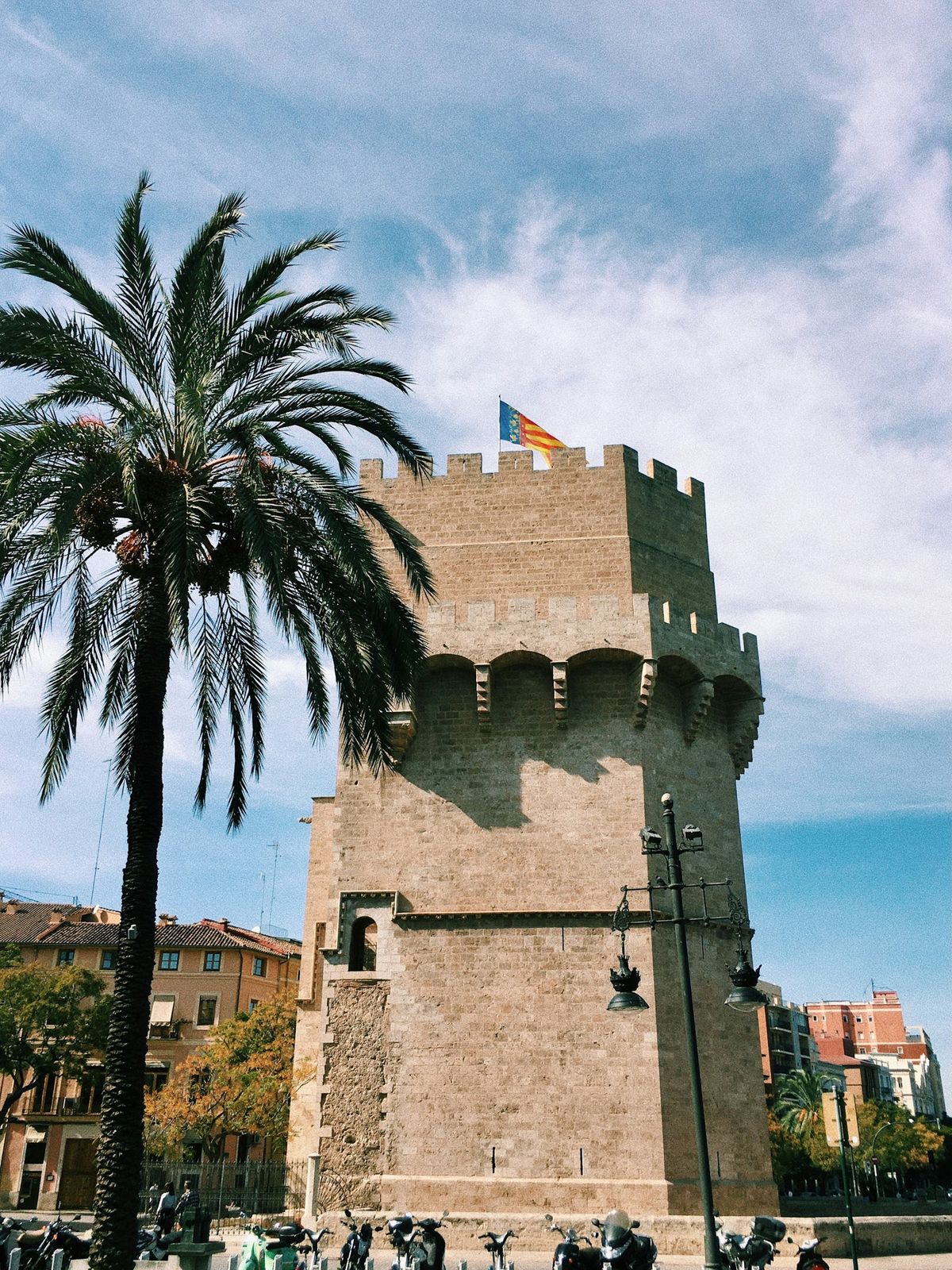
El Carmen
The old town, all narrow medieval streets, plazas and history. Beautiful and full of character, popular with people who want to live inside the postcard. The trade-offs are tourists, nightlife noise and older buildings.
Eixample and Pla del Remei
Elegant, well-kept and central, with wide modernist streets and the city's smartest shops. This is the upmarket choice and Valencia's most expensive area, favoured by families and professionals who want space and calm without leaving the centre.

Benimaclet
A former village absorbed by the city, now a relaxed, student-and-expat neighbourhood with a strong local feel and better value than Ruzafa. Good if you want community and a plaza life without centre prices.
El Cabanyal and La Patacona
The beach neighbourhoods. Cabanyal is the historic fishermen's quarter with its striking tiled houses, steadily regenerating; Patacona next door is newer and quieter. Living metres from the sand for a fraction of what that costs elsewhere in Europe is Valencia's most persuasive argument.

Campanar and Benicalap
Residential, green and practical, with more modern flats and parking. Less charm, more space for the money, which makes them a common landing spot for families.
On a budget? Look further from the centre, where one-bedroom rents drop to around €920 against €1,250 in the middle of town. Want the ocean without the tourist crush? Start in Patacona.
Frequently asked questions about living in Valencia
Is Valencia a good place to live?
For most expats, yes. It combines a lower cost of living than Madrid or Barcelona with 300+ days of sunshine, a beach inside the city, strong healthcare and a reputation as one of Spain's safest large cities. The main catches are the local job market and the paperwork.
How much does it cost to live in Valencia per month?
In 2026, a single person needs roughly €1,645 a month outside the centre or €1,975 in the centre, including rent. A couple should budget around €2,520 and a family of four about €4,013.
Is Valencia cheaper than Madrid and Barcelona?
Yes, mainly on rent. A one-bedroom in central Valencia averages €1,250 against €1,395 in Madrid and €1,460 in Barcelona, and buying is far cheaper at about €4,924 per m² versus €7,983 in Madrid. Salaries are lower too, so the advantage is biggest if your income comes from outside Spain.
Can you live in Valencia speaking only English?
In the expat-heavy central neighbourhoods, largely yes. But bureaucracy, healthcare appointments and life outside the centre run in Spanish, and both Spanish (Castellano) and Valencian are official here. A basic level of Spanish changes the experience quickly.
Is Valencia safe for expats?
Yes. It regularly ranks among the safest large cities in Spain. The realistic risk is pickpocketing in tourist areas and on busy transport, not violent crime.
What are the downsides of living in Valencia?
Three come up repeatedly: slow bureaucracy, a thin local job market with comparatively low salaries, and the language barrier outside the centre. None are dealbreakers for remote workers or retirees, but they matter if you plan to find work locally.
Ready to plan your move to Valencia
What do you think of the pros and cons of living in Valencia? Did it change your decision in the slightest bit or are you sure of where you want to move?
If you already know which visa you qualify for and which city you want to move to, book a free consultation with our experts, who can help guide you for what’s next!
To join our Facebook Group – All About Spain For Expats, click here and follow for advice and information. See you soon!